These results confirmed that the WDS met the plant’s requirements to detect and alert plant operators when higher than normal water conditions were present in the EAF. Furthermore, the WDS has also demonstrated minimal false alarms even in Seattle’s highly variable seasonal weather conditions.
In addition, the NextGen + i EAF project previously commissioned in April 2016, surpassed Nucor Steel Seattle, Inc.’s expectation for quantifiable and sustainable improvements in monthly process consumptions and operating costs: average monthly furnace consumptions were significantly decreased in the following areas: 5 % electrical, 1.5 % oxygen, 11.5 % natural gas, 7.5 % injected carbon and 32 % charge carbon.
Complete system performance has more than doubled from the original estimated savings target determined at the start of the project with total electrical and chemical energy costs per ton of steel being reduced by over 6 %.
(Source: Tenova S.p.A.)
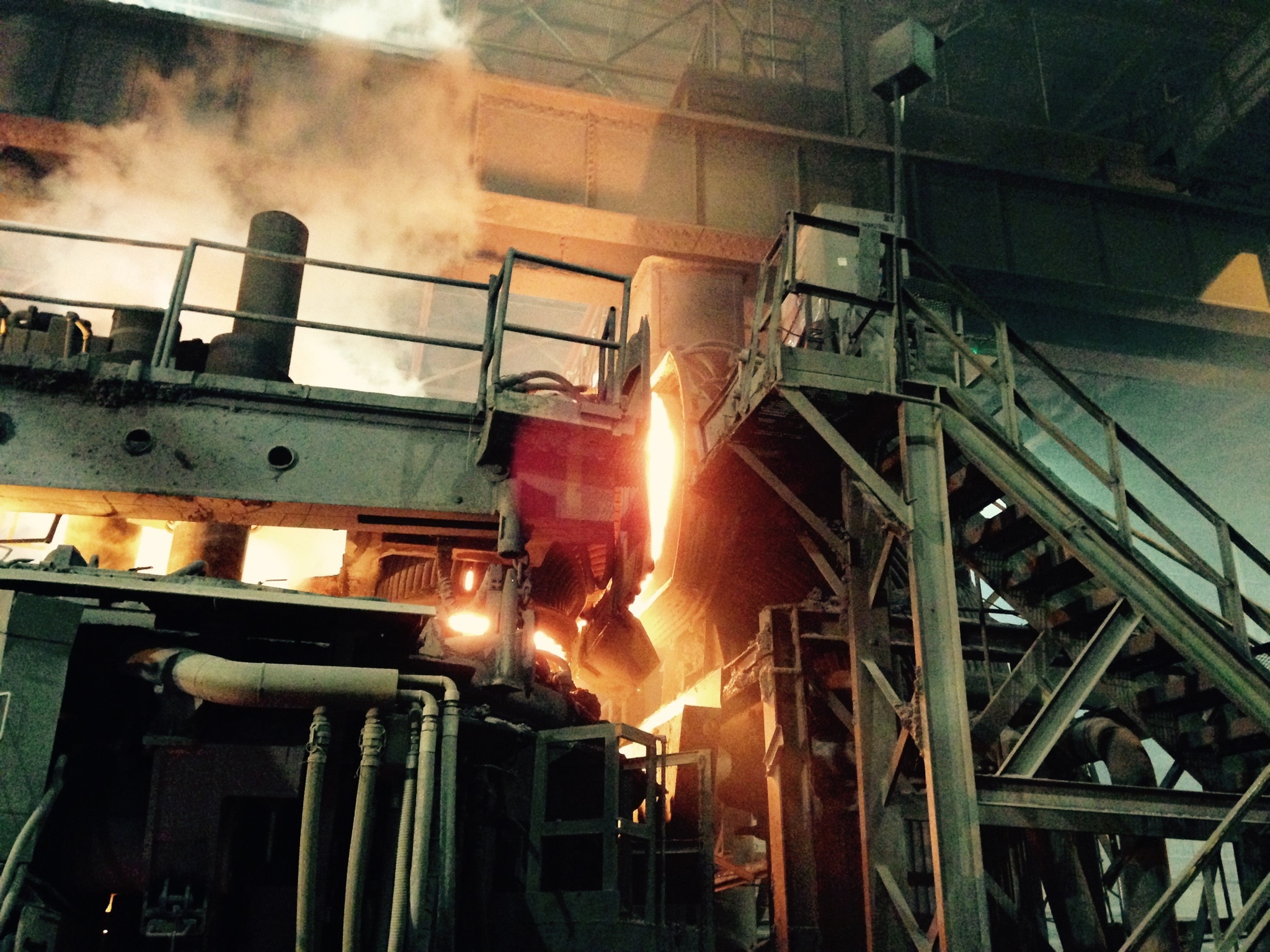
Tenova’s technologies improve EAF operations at Nucor Steel Seattle
Kategorien: heat processing | Wirtschaft und Unternehmen
Autor: Redaktion
Datum: 18. Sep. 2017